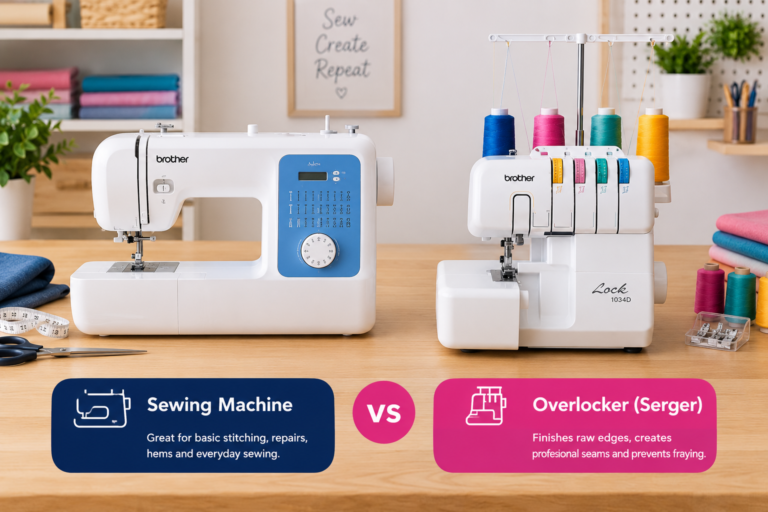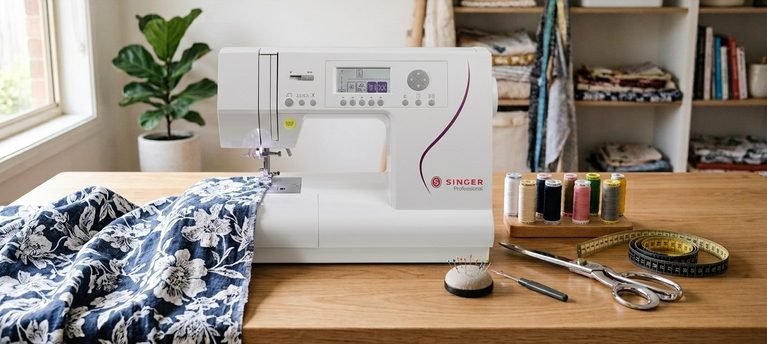
Mechanical vs Computerised Sewing Machine
What’s the difference between Mechanical and Computerised Sewing Machines?
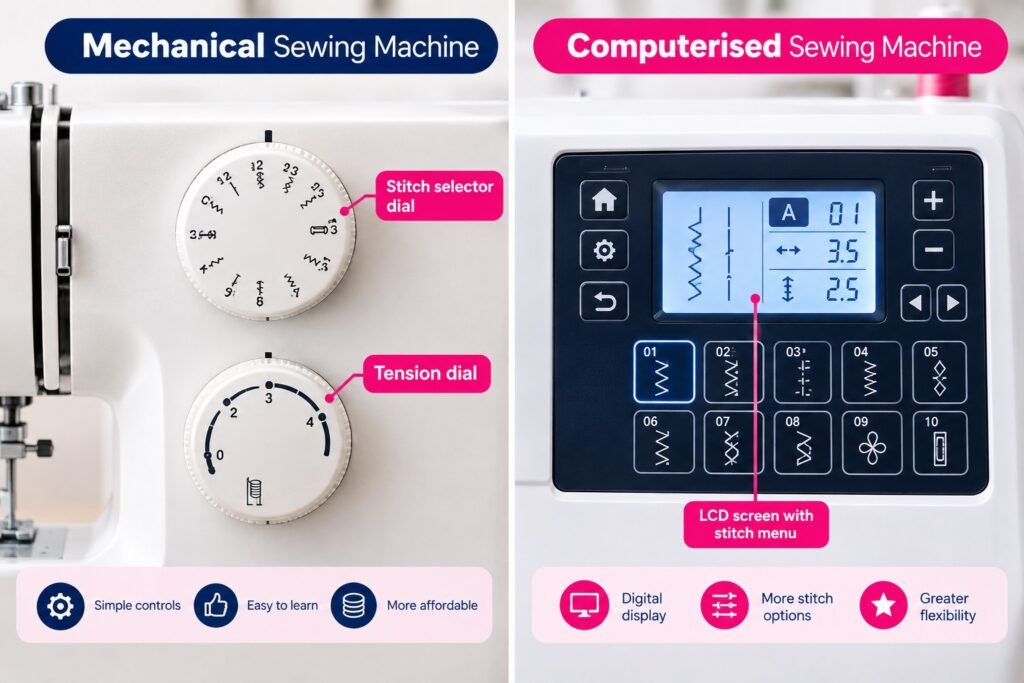
The core difference comes down to how the machine controls its stitching. On a mechanical machine, you set stitch length, width and tension yourself using physical dials, and the internal mechanism is entirely gear and cam-driven there’s no onboard computer making decisions for you.
On a computerised machine, a small onboard processor and digital interface (usually an LCD screen or touch panel) manage those same settings, and often add features like automatic tension adjustment, needle up/down memory, and one-touch buttonholes.
Neither type is “better” in an absolute sense. They represent different philosophies hands-on control versus guided automation. The right choice depends on your budget, how much you sew, what you’re sewing, and how comfortable you are with digital menus.
Affiliate Disclosure: This post contains affiliate links. If you buy through them, HomeNoche may earn a small commission at no extra cost to you. Full details on our Affiliate Disclosure page.
How Mechanical Sewing Machines Work
Mechanical machines rely on a system of gears, cams and levers to move the needle and feed the fabric. You choose your stitch by turning a dial to a marked setting, then manually adjust length, width and tension with separate dials. Because there’s no circuit board involved in the stitching function itself, mechanical machines tend to be simpler to service and less likely to fail from electronic faults a shop can usually diagnose and fix a mechanical issue without needing manufacturer-specific electronics.
The trade-off is that everything is on you. Getting consistent results with tricky fabrics, decorative stitches, or precise buttonholes takes more practice, and stitch variety is limited to whatever the dial offers typically a handful of straight, zigzag and utility stitches, occasionally with a few basic decorative options.
How Computerised Sewing Machines Work
Computerised machines add a digital control layer on top of the same basic mechanics. A small processor stores dozens (sometimes hundreds) of pre-programmed stitches, and you select them via screen or buttons rather than a dial. Many models can automatically set an appropriate stitch length and tension once you’ve chosen a stitch, which takes some of the guesswork out of sewing unfamiliar fabrics.
Common computerised features include automatic needle threaders, memory functions that save your custom settings, needle up/down positioning, and one-step buttonholes that measure the buttonhole for you. Higher-end models extend into embroidery, with USB ports for loading custom designs. The trade-off is a higher price, more to learn upfront, and if something in the electronics fails repairs that may need brand-specific parts or authorised service centres.
It’s also worth understanding a third category you’ll sometimes see mentioned: electronic sewing machines. These sit between mechanical and fully computerised models they use an electronic motor for consistent speed control but still rely on manual dials for stitch selection, rather than a digital screen. If you see a machine described as “electronic” rather than “computerised,” expect dial-based controls with smoother motor performance than a purely mechanical model, but without the programmed stitch library or automation of a true computerised machine. This guide focuses on the two main categories mechanical and computerised since that’s where most buying decisions in Australia actually land.
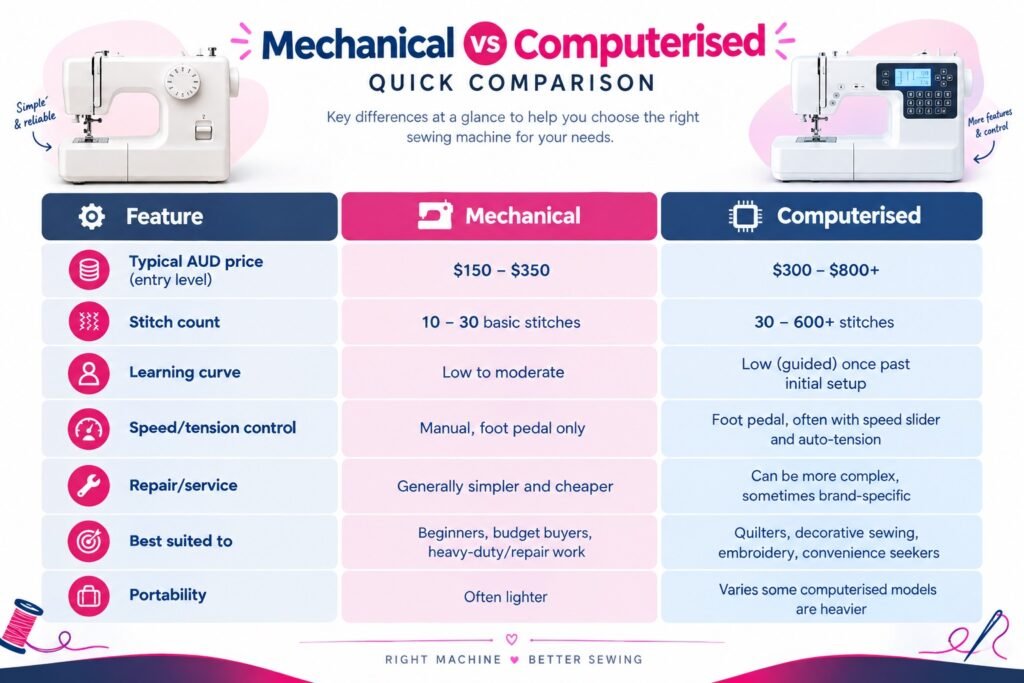
Mechanical vs Computerised Quick Comparison
Feature | Mechanical | Computerised |
|---|---|---|
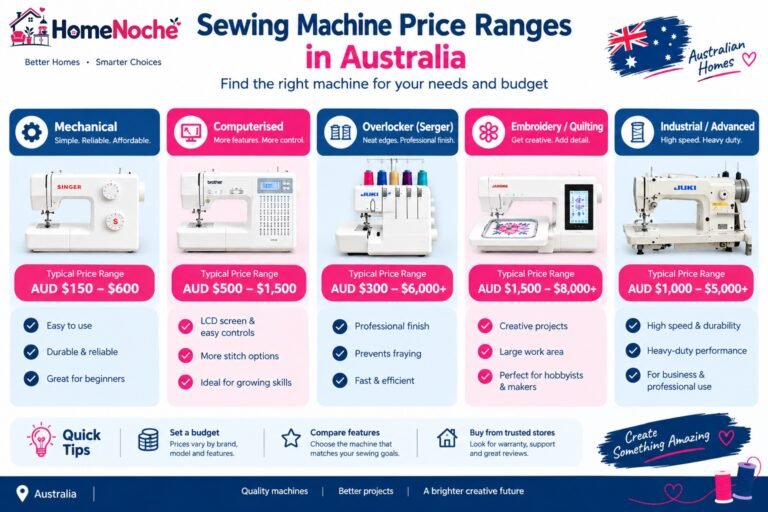
Typical AUD price | $150–$350 | $300–$800+ |
Stitch count | 10–30 basic stitches | 30–600+ stitches |
Learning curve | Low to moderate | Low (guided) once past initial setup |
Speed/tension control | Manual, foot pedal only | Foot pedal, often with speed slider and auto-tension |
Repair/service | Generally simpler and cheaper | Can be more complex, sometimes brand-specific |
Best suited to | Beginners, budget buyers, heavy-duty/repair work | Quilters, decorative sewing, embroidery, convenience seekers |
Portability | Often lighter | Varies some computerised models are heavier |
Pros & Cons of Each Type
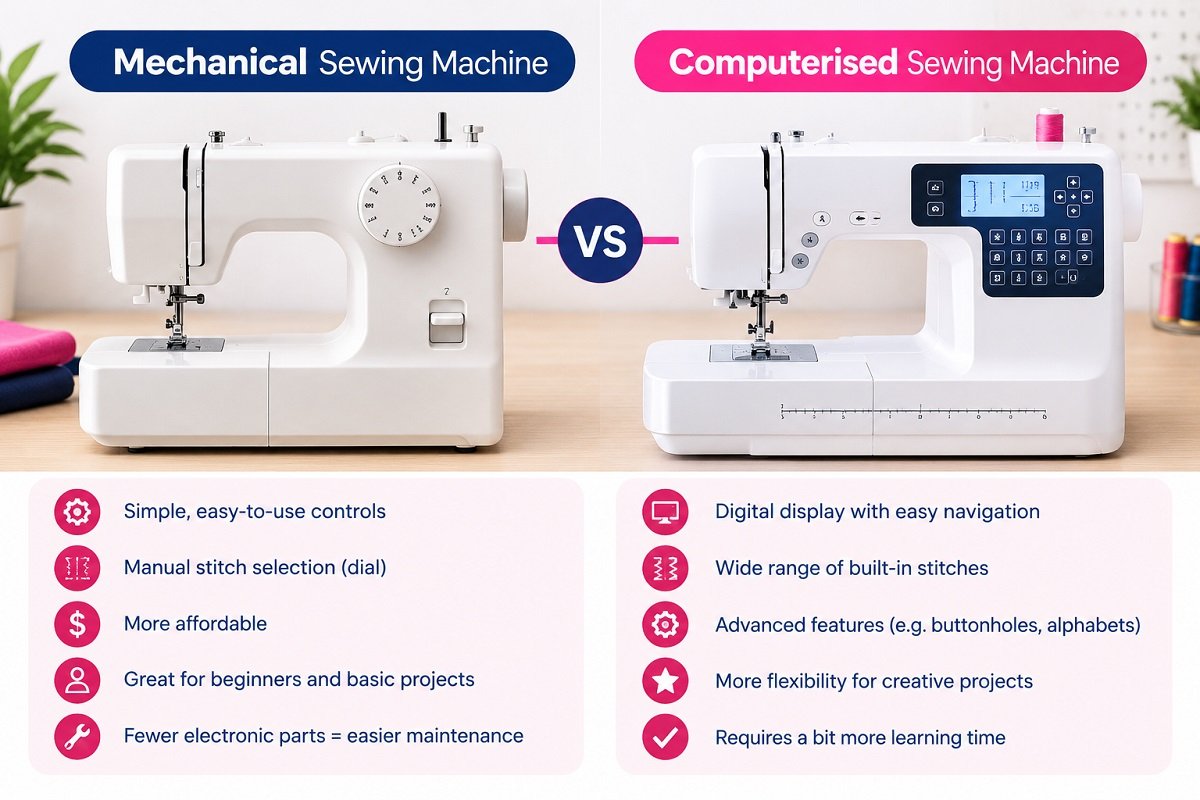
Both Mechanical and Computerised Sewing Machines have their own strengths and Weaknesses. Here’s a Quick Comparison to help you choose the right one for your needs.
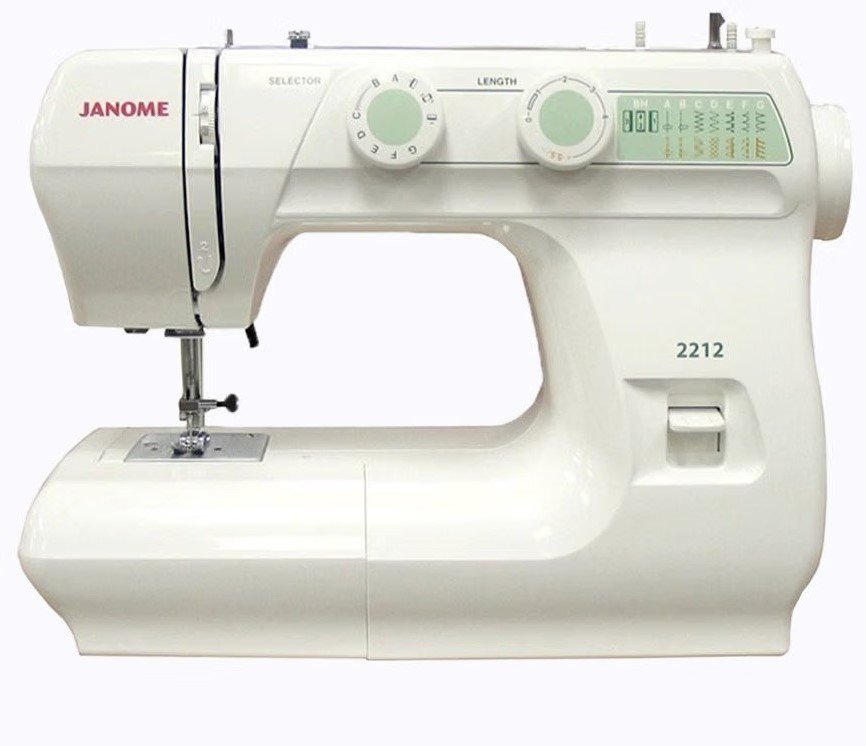
Mechanical Sewing Machine
Simple, Reliable and Great for Everyday Sewings.
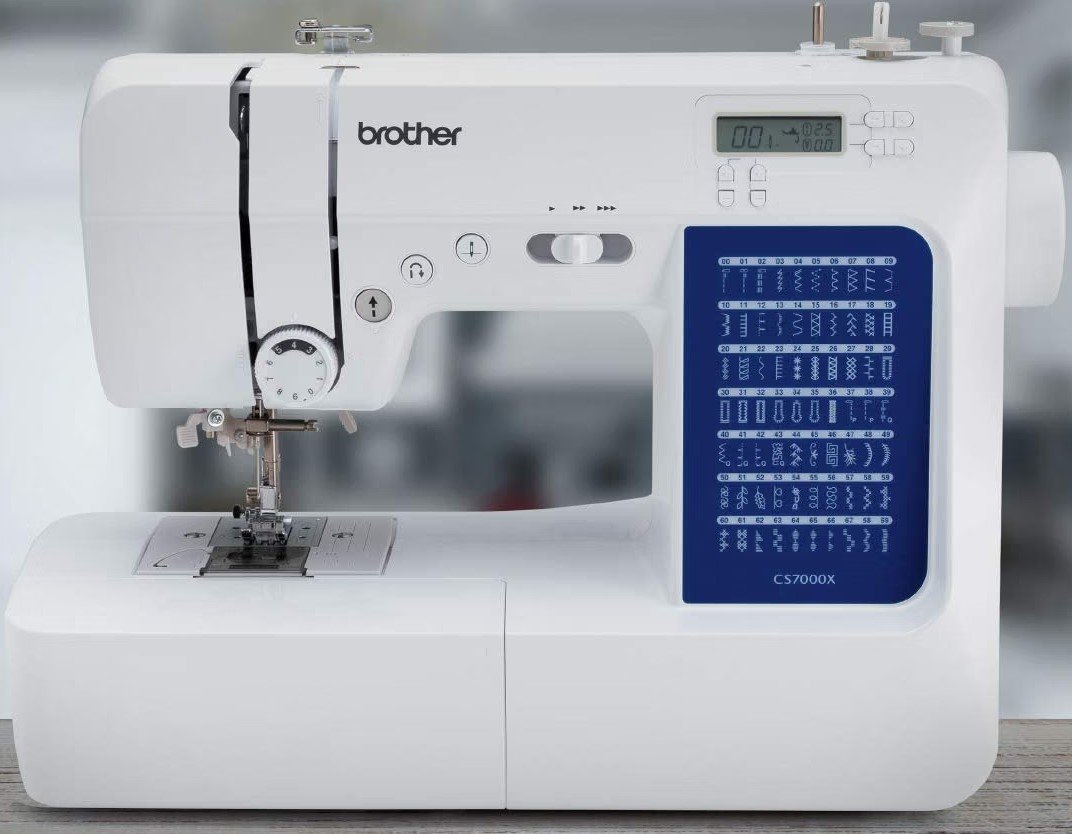
Computerised Sewing Machines
Smarter features, more options and greater precision for creative projects.
Which one is right for you? A decision framework
Start with three questions: What’s your budget? What are you actually going to sew? And how comfortable are you with digital menus and screens?
If you’re on a tight budget, mainly doing repairs, alterations, or simple garment sewing, and you’d rather not deal with digital menus, a mechanical machine is a sensible, durable starting point. If you’re planning to quilt, embroider, or want access to a wide range of stitches without hand-adjusting dials every time, a computerised machine will likely save you time and frustration and the extra cost tends to pay off in convenience if you sew regularly.
There’s also a practical middle ground worth knowing about: many experienced sewists keep a simple mechanical machine as a reliable backup or for heavy fabrics, while using a computerised model for detailed or decorative work. You don’t necessarily have to choose just one, especially once sewing becomes a regular hobby or side income.
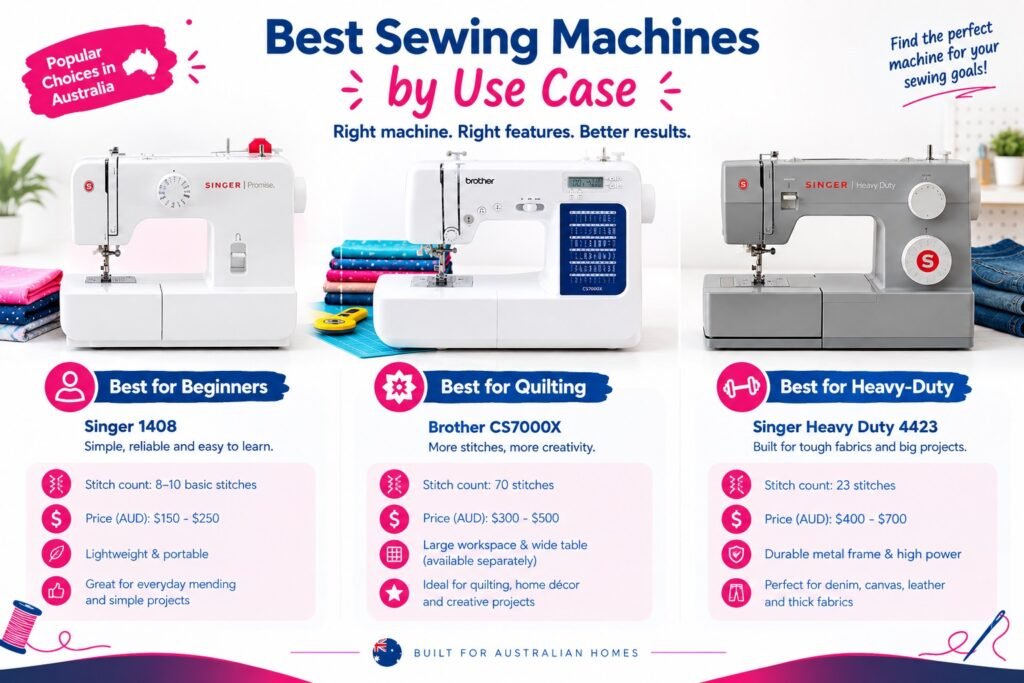
Best for beginners
A solid beginner machine should be forgiving, well-supported by local retailers, and not overloaded with features you won’t use in your first year. Entry-level machines from Brother and Janome in the $300–$450 range typically offer a manageable stitch count (around 15–50), automatic needle threading, and clear instructions a good balance of ease-of-use and future-proofing so you’re not outgrowing the machine within months.
Look for a model with a free arm (useful for cuffs and sleeves) and a reasonably wide range of authorised Australian stockists, so servicing isn’t a headache down the track.
Best for quilters
Quilting benefits from a wider throat space (the area to the right of the needle), a larger stitch library including quilting-specific stitches, and reliable, even feed across multiple fabric layers. Mid-range computerised machines in the $600–$1,200 bracket, particularly from Janome and Brother’s quilting-oriented ranges, tend to fit this brief many include a walking foot or extension table as standard or optional accessories, both of which make a noticeable difference on larger quilting projects.
Best for small business / side-income sewing
If you’re sewing to sell alterations, custom garments, small-batch products you need durability under repeated daily use as much as features. Heavy-duty mechanical or hybrid models (like the well-known Singer and Janome “Heavy Duty” ranges) are popular here because of their metal internal frames, higher piercing power for thicker fabrics, and lower long-term repair costs relative to fully computerised machines.
If your business leans toward embroidery or highly decorative custom work, a mid-to-high computerised model may be worth the extra investment instead weigh it against how much of your work actually needs those decorative features versus straightforward, repeated stitching.
How to test a sewing machine in-store before buying
Wherever possible, test a machine in person before committing this is where a genuine sewing machine specialty retailer (rather than buying sight-unseen online) can be worth the visit. Bring a small piece of your usual fabric, or ask the store for scraps in a few different weights (cotton, denim, and something stretchy like jersey), and try the following:
- Sew a straight line and a zigzag on each fabric type. Check the stitch is even on both sides, not just the top puckering or looping on the underside often signals a tension issue that’s harder to fix on a mechanical machine than a computerised one.
- Test the buttonhole function. This is one of the most noticeable differences between budget and mid-range machines. A one-step computerised buttonhole should produce a consistent, even result every time; a manual buttonhole on a mechanical machine will take more practice to get right.
- Listen to the noise level. Some computerised machines, particularly at higher speeds, are noticeably louder than mechanical models worth knowing if you’ll be sewing in a shared living space or late in the evening.
- Check how easy the bobbin is to load and the needle is to thread. An automatic needle threader is a small feature that makes a genuine day-to-day difference, especially if you have any difficulty with fine motor tasks or eyesight.
- Ask about the warranty terms and where servicing happens. A staff member at a specialty retailer can usually tell you honestly how often a given model comes back for repairs information you won’t get from a generic online listing.
If you’re buying online without the option to test first, look for retailers with a clear returns policy and genuine Australian customer reviews rather than relying solely on manufacturer marketing copy.
Buying considerations for Australian sewists
When buying in Australia, confirm whether the advertised price includes GST (it should, for AU retailers) and check delivery costs separately, since sewing machines are heavy and shipping can add a meaningful amount to the total. Under Australian Consumer Law, sewing machines sold in Australia come with automatic consumer guarantees regardless of any additional manufacturer warranty they must be of acceptable quality and fit for purpose, and you’re entitled to a remedy if they’re not.
Local servicing availability is worth checking before you buy, particularly for computerised machines, since some electronic faults require brand-authorised technicians rather than a generic repairer. Major brands like Brother, Singer and Janome have established Australian service networks lesser-known imported brands may not, which can mean shipping a faulty machine interstate or overseas for repair. If you’re buying online, check whether the retailer is an authorised Australian reseller buying grey-import stock can sometimes affect warranty coverage locally.
Finally, think about storage and portability if you don’t have a dedicated sewing space mechanical machines and entry-level computerised models are generally lighter and easier to pack away between projects than full-size quilting or combination embroidery machines.
Where to buy in Australia
You’ll generally find sewing machines through three types of sellers dedicated sewing machine specialty stores (often with in-store servicing and hands-on advice), large craft retailers like Spotlight, and online marketplaces including Amazon Australia and brand-authorised online stores.
Specialty stores tend to be worth the visit for anyone buying their first machine or investing in a higher-end computerised model, since staff can talk you through the differences in person and you’ll usually get local servicing support included.
Online marketplaces are convenient for well-known, established models where you already know what you want just confirm the seller is an authorised reseller before you buy, particularly for pricier computerised machines, to make sure your manufacturer warranty is valid in Australia.
Ongoing costs to budget for
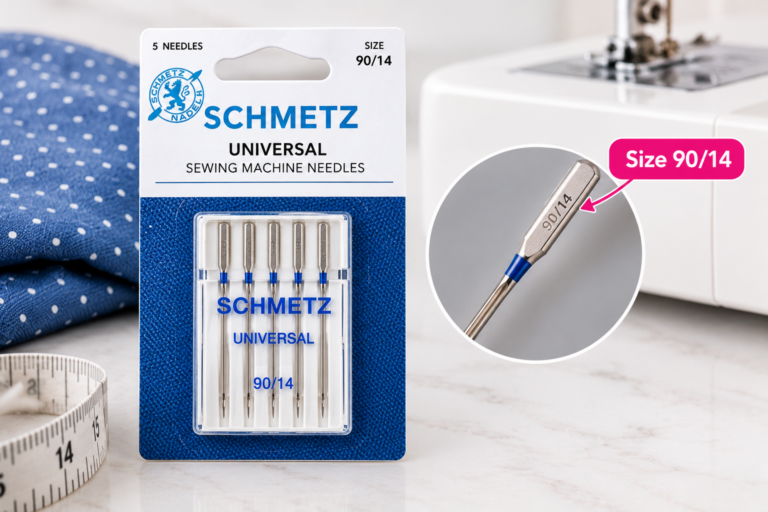
The purchase price isn’t the full picture. Budget for an annual service (roughly $60–$120 depending on the machine and your location), replacement needles (cheap, but should be changed regularly), and bobbins or presser feet if your projects expand into specialty sewing like quilting or overlocking. Computerised machines don’t necessarily cost more to maintain day-to-day, but if an electronic fault does occur, repair costs can run higher than a comparable mechanical repair simply because of parts and diagnostic time.
Conclusion
There’s no universally “better” option between mechanical and computerised sewing machines only a better fit for how you sew. If you want an affordable, durable machine for everyday repairs and simple projects, a mechanical model remains a smart, low-risk choice.
If you’re drawn to quilting, embroidery, or want the convenience of automated stitching, the extra investment in a computerised machine tends to pay off in time saved and results achieved. Whichever you choose, buy from an authorised Australian retailer, factor in servicing availability, and pick the machine that matches the projects you’re actually planning to make not just the one with the most features on the box.
Frequently Asked Questions
About Author

Muhammad Irfan Malhi is Content Researcher at HomeNoche. He researches and writes buying guides for home, kitchen and craft products, drawing on manufacturer specifications, retailer data, and Australian consumer sources to help readers make informed decisions. This guide is based on independent research rather than in-house product testing.